After life by Hirokazu Kore-eda
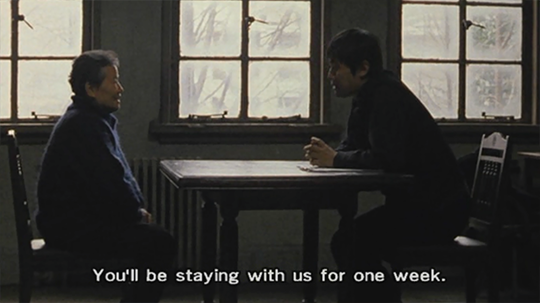
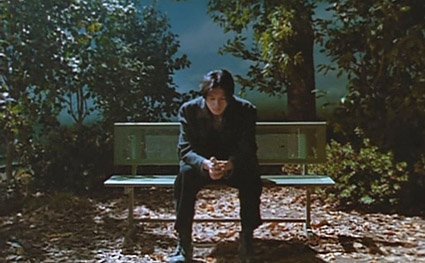
Something notable that contributed to what appears on screen would have to be the illusion of time that is undeniably present within this film. In every scene, the director uses little-to-no shot cuts but rather, a continuous shot that spans for longer than what a Western audience, in particular, is used to. In American movies, we expect to see a multitude of jump-cuts and a very fast-paced story line that is jam-packed with action, comedy, and brutality. In this Japanese film, however, everything that happens does so in an incredibly slow and peaceful manner. The creators don’t rush things, out of fear of having an uninterested viewership, but rather, take their time on conveying the intricacy of a moment, or the fundamental importance of a feeling. They filmed rather mundane scenes at times, such as mellow conversations between elders in which there were long, silent pauses. There were also scenes that merely focused on how natural events transpire, like petals falling from a cherry blossom tree in the Spring, which overall created a very peaceful state, for both those involved in the movie, and those watching it. I believe that this prolongation of time is something that should be more commonly integrated into North American films, as it is a foreign approach to watching and appreciating a film. It allows us to focus more of our attention on the minuscule details that would otherwise, be overlooked, and gives us a greater sense of respect for the production as a work of art.

 Maria's film theory